Phone:
(832) 555-0197
Physical address:
7327 W Bellfort Ave, Suite 210
Houston, TX 77071
Email address:
contact@mysafefoundation.com

Phone:
(832) 555-0197
Physical address:
7327 W Bellfort Ave, Suite 210
Houston, TX 77071
Email address:
contact@mysafefoundation.com

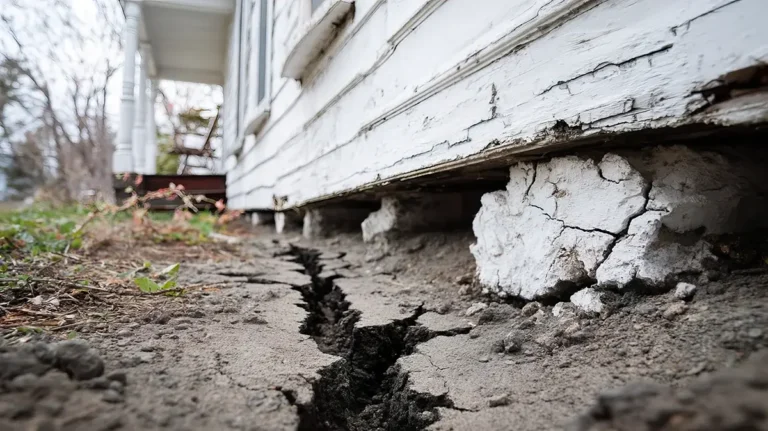
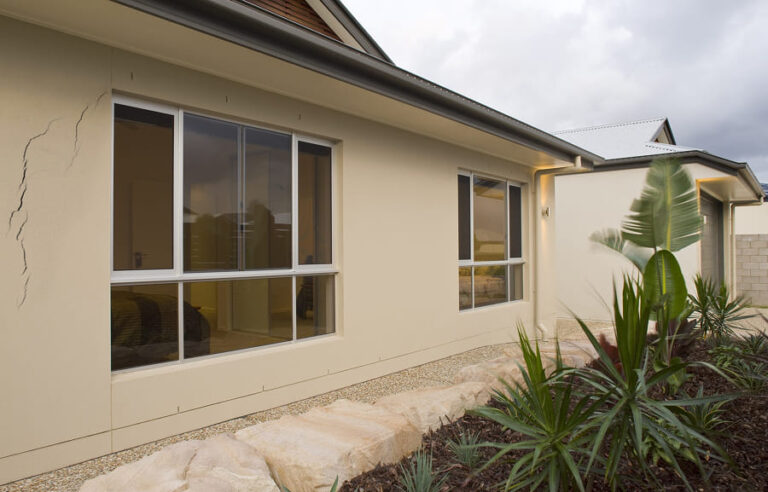
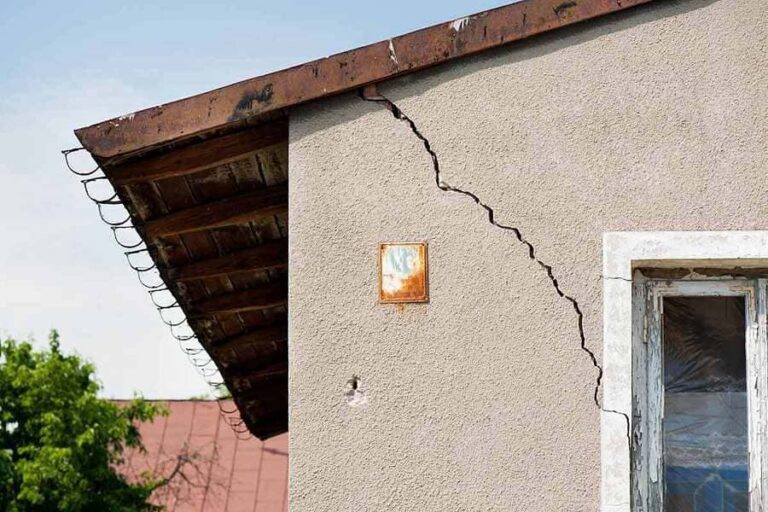
If you’re a homeowner in Houston, and you’ve started noticing cracks in your walls, uneven floors, or doors that no longer close properly, you’re not alone.
Foundation problems are common across Texas due to the region’s expansive clay soils and fluctuating weather patterns.
One of the first questions that comes to mind when facing these issues is: “Will my homeowners insurance cover the cost of fixing this?”
Understanding how your insurance policy works when it comes to foundation damage is essential—not just to manage expectations, but to make informed financial decisions.
In this article, we’ll explore what’s usually covered (and what isn’t), common causes of foundation problems, and what you can do to prepare financially if your policy won’t step in.
Foundation damage refers to any structural issues that compromise the integrity of the base your home is built on.
In Houston, foundations are often made of concrete slabs or pier-and-beam systems—both of which are vulnerable to shifting soils, moisture changes, and drainage issues.
Left untreated, foundation problems can escalate quickly. What begins as a small crack can eventually result in structural instability, roof misalignment, broken plumbing, and thousands of dollars in repairs.
That’s why early intervention and understanding your coverage options are so important.
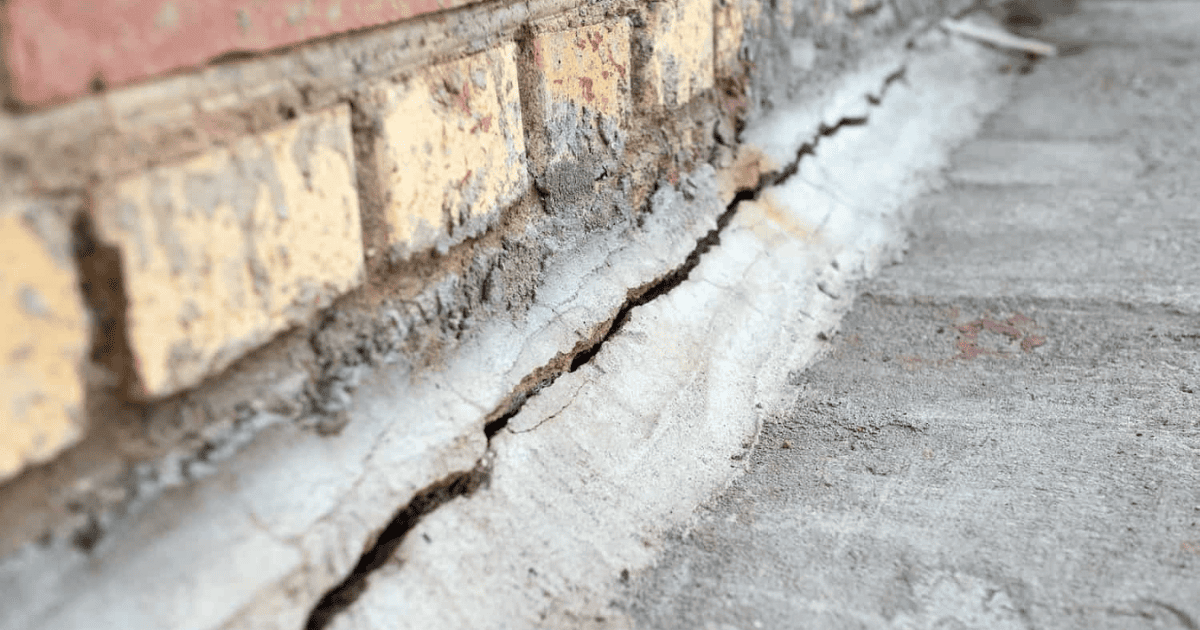
The Short Answer: It Depends
Most standard homeowners insurance policies in Texas do not cover foundation repairs caused by general wear and tear, settling, or soil movement.
However, some specific causes of damage are covered, depending on the peril and your specific policy.
Your insurance policy may pay for foundation repairs if the damage is the direct result of a covered peril, such as:
If your foundation was damaged because a pipe burst under your slab, causing soil erosion or shifting, that may be covered.
But if it was due to gradual soil movement, that’s usually considered a maintenance issue—not a covered peril.
In Texas, many homeowners are surprised to learn their policies exclude the very risks most likely to cause foundation problems in the region:
Clay soils in Houston expand during rainy seasons and contract during dry periods.
This movement puts stress on your foundation—but because it happens gradually, insurance considers it a maintenance issue.
Damage caused by floodwaters or rising groundwater is not covered by standard homeowners policies.
You’d need a separate flood insurance policy through the National Flood Insurance Program (NFIP).
This includes earthquakes, sinkholes, and shifting ground—none of which are covered unless you’ve purchased earth movement coverage as an add-on.
Over time, all houses settle.
Cracks due to aging or improper site preparation are not considered “sudden and accidental,” and are usually excluded.
Let’s look at a few realistic examples:
Given how common foundation issues are in the Houston area, it’s wise to explore additional coverage options:
Some insurers offer this add-on specifically for water damage beneath your foundation caused by plumbing leaks.
It can cover leak detection, excavation, and limited structural repair.
This often overlaps with the endorsement above but is targeted at homes with slab foundations.
It can help with damage caused by leaks under the slab.
Not common in Texas but available through specialty providers. Worth considering if your home is in a high-risk zone or built on unstable soil.
While not specific to foundation repair, this protects your home against the water-related risks that indirectly lead to foundation problems.
Since most foundation repairs aren’t covered by homeowners insurance, having a plan is essential.
Here’s how to protect your home and your wallet:
Spot problems early by hiring a professional to inspect your foundation annually or bi-annually.
Early repairs are often less expensive.
Ensure gutters and downspouts are functional and direct water away from your home. Poor drainage is one of the leading causes of soil movement.
Yes, really. During dry seasons, soaker hoses around the perimeter of your home can help stabilize the soil and prevent uneven contraction.
Set aside a portion of your budget each month for unexpected home repairs, including structural ones.
Foundation repairs can cost anywhere from $3,000 to $15,000 or more, depending on severity.
Don’t wait until it’s an emergency. Research local foundation repair companies in Houston now, and be prepared with a trusted provider when the time comes.
Filing a homeowners insurance claim for foundation damage can be tricky. Follow these steps if you believe you’re eligible for coverage:
Be aware: if your claim is denied and you still repair the foundation, you’ll be responsible for the full cost. Only pursue a claim if the damage clearly ties to a covered peril.

Homeowners insurance in Texas doesn’t automatically cover foundation repairs, especially if caused by soil movement or settling—the most common causes in the Houston area.
However, some specific scenarios, such as plumbing leaks or fire-related damage, may be partially covered.
Knowing what’s included in your policy (and where you need extra protection) can save you time, money, and stress.
Here’s what you can do now:
If you’re noticing signs of foundation trouble (or simply want peace of mind) don’t wait until the damage gets worse or more expensive.
At My Safe Foundation, we offer comprehensive home inspections tailored for Houston homeowners like you, where shifting soils and foundation problems are far too common.
During your inspection, our experts will not only assess the structural condition of your foundation but also guide you through the entire process, including:
✅ We’re here to help you make informed decisions—whether your foundation issue is minor or severe, and whether it’s covered by insurance or not.
👉🏻 Contact us today and schedule your in-home inspection.
The sooner you act, the more options (and savings) you may have. Let My Safe Foundation help you protect your home from the ground up, with clarity, care, and confidence.