Phone:
(832) 555-0197
Physical address:
7327 W Bellfort Ave, Suite 210
Houston, TX 77071
Email address:
contact@mysafefoundation.com

Phone:
(832) 555-0197
Physical address:
7327 W Bellfort Ave, Suite 210
Houston, TX 77071
Email address:
contact@mysafefoundation.com
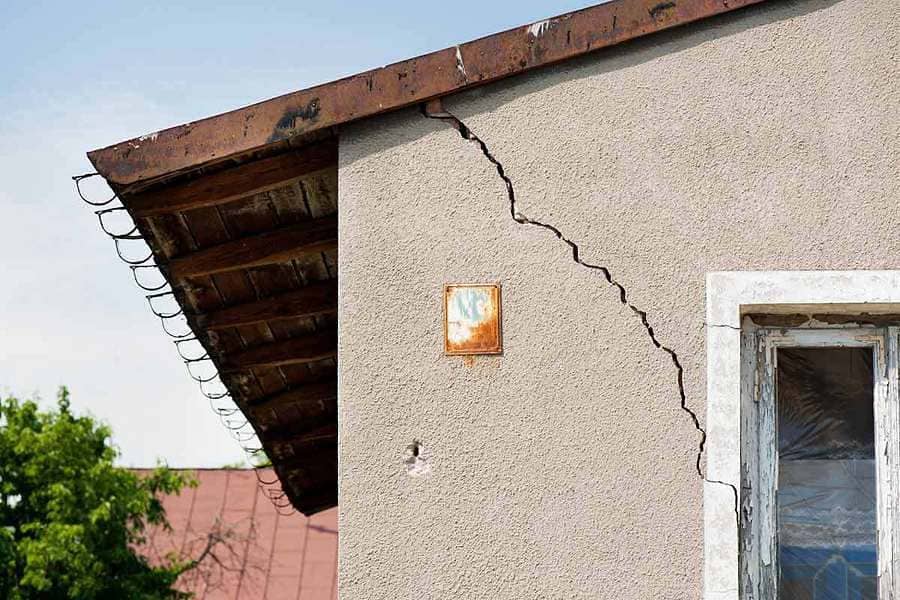
When you start noticing cracks running along your walls, floors, or ceilings, it’s natural to worry. Are they just cosmetic imperfections, or do they signal something more serious — a problem with your home’s foundation?
In Houston, where shifting soils, moisture fluctuations, and seasonal extremes constantly affect the ground beneath your home, cracks can be an early warning sign of foundation distress.
This guide will help you understand what different types of cracks mean, how to tell when they point to a foundation issue.
Cracks in a home appear for many reasons, not all of them are alarming. Houston’s expansive clay soil, known as “gumbo clay,” expands when it absorbs water and contracts when it dries out.
This constant swelling and shrinking places pressure on your foundation, leading to movement and, eventually, cracking.
Other contributing factors include:
While some cracks are harmless, others can indicate that your home’s foundation is shifting or sinking, a problem that will worsen over time if left unaddressed.
Not all cracks are created equal. To properly diagnose a problem, you need to look at where they appear and how they behave.
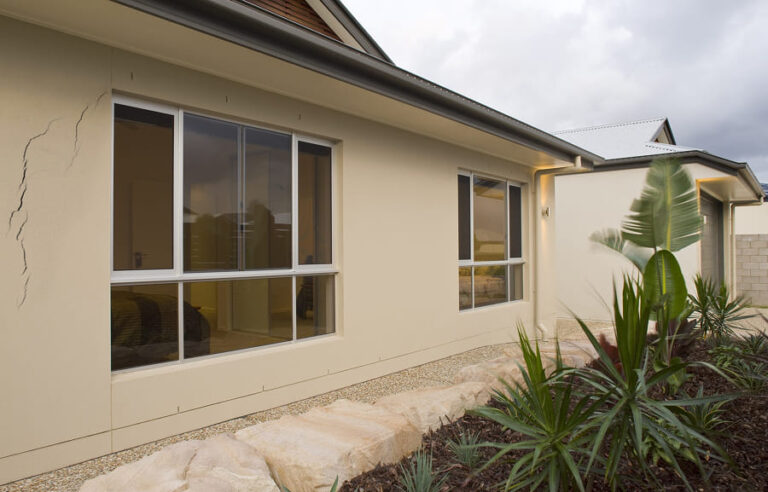
Small, thin cracks — especially near windows, doors, or ceilings — are often the result of normal settling or seasonal changes. If they don’t widen over time and no doors or windows stick, they usually aren’t cause for concern.
Horizontal cracks, especially those in foundation walls or along interior brick lines, are a red flag.
They suggest that the foundation is under lateral pressure from soil movement or hydrostatic pressure (water pushing against your foundation). These cracks can worsen quickly and compromise structural stability.
If you see cracks forming a stair-step pattern along your brick exterior or inside basement walls, this typically points to differential settlement — when one section of your foundation is sinking faster than another.
In Houston, this is a common symptom of clay soil expansion and contraction.
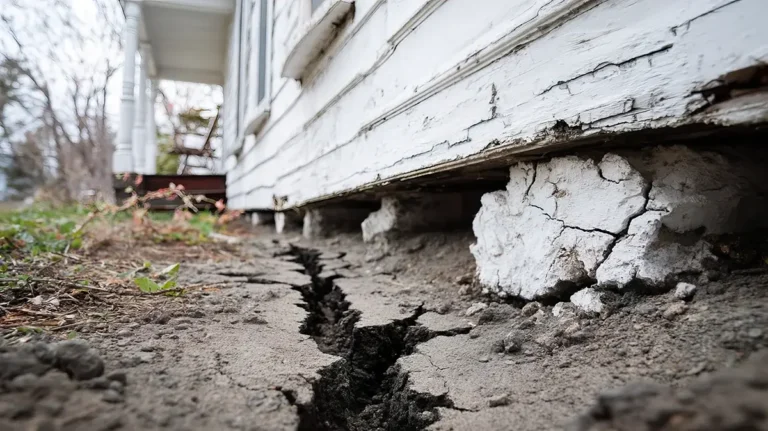
Cracks in your slab foundation or floor can range from minor shrinkage lines to large gaps with uneven edges.
If one side of the crack is higher than the other, that’s a strong sign of foundation movement.
When cracks run from corners of doors or windows upward toward the ceiling, or when doors and windows suddenly start sticking or misaligning, it’s often a symptom of foundation shifting — causing your home’s frame to distort slightly.
It’s not just the cracks themselves — it’s the pattern of symptoms that reveals the true issue. Here’s what homeowners in Houston should watch for:
If several of these warning signs appear together, there’s a high likelihood that your foundation is shifting, settling, or lifting unevenly.
Houston’s soil composition is one of the biggest culprits behind widespread foundation damage. The city sits atop highly expansive clay soil, which reacts dramatically to moisture changes.
During heavy rain, the soil swells, pushing upward against your foundation. During drought, it contracts, leaving gaps that cause portions of your home to settle.
Add to that the humid Gulf Coast climate, frequent storms, and poor drainage in many neighborhoods, and you have the perfect recipe for foundation movement. Even newly built homes can experience issues within just a few years if moisture control isn’t carefully managed.
A good rule of thumb: width and behavior over time matter more than appearance.
If you’re unsure, mark the edges of a crack with a pencil and check it again in a month. If it widens or lengthens, you may have an active foundation problem requiring professional evaluation.
Foundation issues don’t fix themselves. In fact, they tend to escalate — and the longer you wait, the more costly and invasive the repairs become.
Ignoring warning signs can lead to:
Early detection and repair are far less costly than full structural rehabilitation later.
Many homeowners delay calling a foundation expert because they hope the cracks will stop on their own.
However, foundation damage is progressive — and by the time visible cracks appear, the movement has often been happening for months or even years.
You should call a foundation repair company if you notice:
A professional will perform a foundation inspection to assess whether the issue is structural or cosmetic, identify the root cause (such as drainage or soil movement), and recommend the most effective solution.
At My Safe Foundation, our diagnostic process includes:
This comprehensive evaluation allows homeowners to understand not only what’s happening but also why it’s happening — which is the key to long-term stability.
Once the problem is confirmed, your foundation repair specialist may recommend one or more of the following methods depending on your home’s foundation type and soil conditions:
Homes with pier-and-beam structures may require beam reinforcement or replacement of deteriorated wood components. Steel or concrete piers are often installed beneath the structure to restore proper leveling and support.
For homes built on concrete slabs, foundation specialists may install steel push piers or helical piers to lift and stabilize the foundation. Cracks in the slab can then be sealed and leveled to prevent further movement.
House leveling restores your home’s original elevation by lifting low areas and stabilizing weak sections. This process eliminates uneven floors and misaligned walls caused by settlement.
If poor drainage is contributing to soil movement, experts can install French drains, surface drains, or grading corrections to redirect water away from your home. This helps prevent future foundation stress.
For homes with crawl spaces, controlling moisture beneath the house is essential. Dehumidifiers and vapor barriers prevent mold growth and keep wood structures from rotting.
Each of these methods targets the root cause of foundation damage, ensuring your home stays stable for decades to come.
Preventing foundation problems in Houston requires managing moisture consistency around your home. Here are key prevention strategies:
These small actions can save you from major repair costs later.
If you live in Houston and have noticed widening cracks, sloping floors, or doors that no longer close properly, it’s time to take action.
Even if you’re unsure, having a professional evaluation brings peace of mind — either confirming your home is safe or catching problems before they grow worse.
Remember: cracks are your home’s way of communicating. The sooner you listen, the easier and cheaper it is to fix the underlying cause.
Cracks in your home can be unsettling, but they don’t always mean disaster — as long as you respond promptly and wisely. Understanding the type, location, and behavior of cracks helps you decide whether it’s time to call an expert.
For homeowners in Houston, My Safe Foundation offers complete foundation care designed to protect your investment and restore your peace of mind. Our services include:
Your home deserves a strong, stable foundation — and you deserve confidence in every step you take inside it.Contact My Safe Foundation today for an inspection and let our Houston-based specialists ensure your home stands strong for generations to come.