Phone:
(832) 555-0197
Physical address:
7327 W Bellfort Ave, Suite 210
Houston, TX 77071
Email address:
contact@mysafefoundation.com

Phone:
(832) 555-0197
Physical address:
7327 W Bellfort Ave, Suite 210
Houston, TX 77071
Email address:
contact@mysafefoundation.com
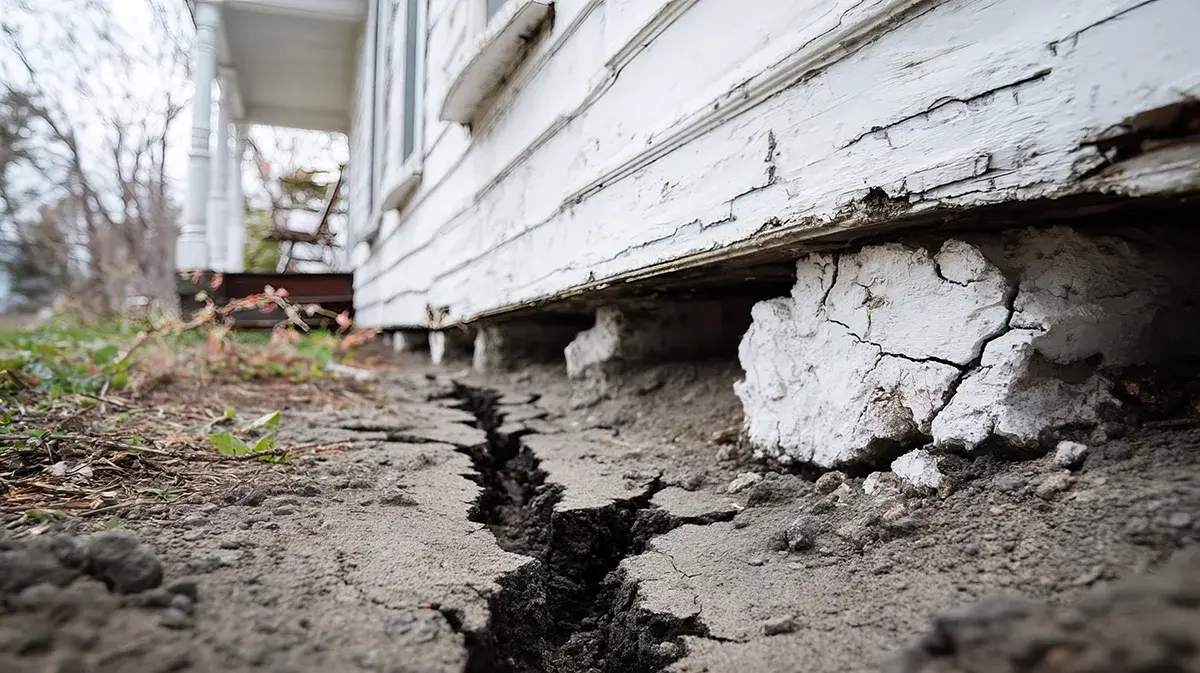
When you think of drought, you probably imagine dry lawns, withered trees, or rising water bills. But few homeowners in Houston realize that drought can also threaten something much more serious — the very foundation their house sits on.
In this article, we’ll explore how drought and expansive soils work together to silently damage homes across Texas.
You’ll learn why the clay-rich soil beneath Houston homes reacts so dramatically to moisture changes, what warning signs to look for, and what steps you can take to protect your property before small cracks turn into costly repairs.
Expansive soils are types of clay-rich earth that swell when they absorb water and shrink when they dry out. The Houston area, along with much of Southeast Texas, sits on these reactive soils — primarily smectite and montmorillonite clays.
These minerals can change volume dramatically depending on moisture content, sometimes expanding or contracting several inches vertically.
This natural movement might sound harmless, but when it happens beneath a concrete foundation, it’s a different story. Over time, the constant swelling and shrinking create uneven pressure that leads to cracks, shifts, and structural instability.
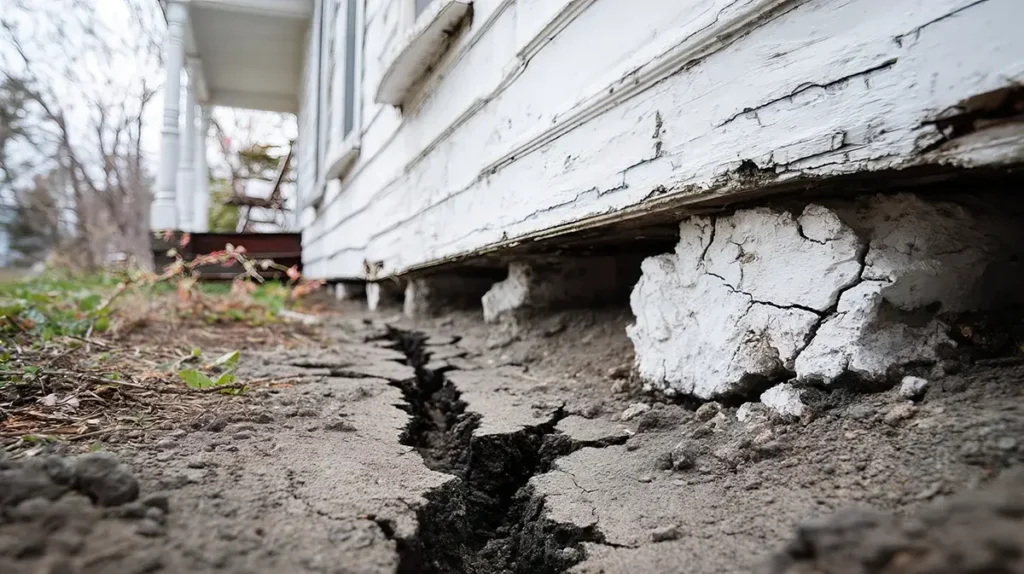
During extended droughts, Houston’s hot climate and lack of rainfall cause the moisture in expansive soils to evaporate. As the soil dries out, it shrinks and pulls away from the foundation.
This creates gaps and voids under the concrete slab or around pier supports, leaving portions of the foundation unsupported.
Once the next rainy season arrives, the soil reabsorbs water and swells back up — pushing against the foundation again. These repeated cycles of contraction and expansion gradually weaken structural integrity, often without obvious signs until significant damage has already occurred.
In short, drought doesn’t just dry out your yard — it destabilizes the ground beneath your home.
Houston’s geography and weather patterns create the perfect storm for foundation issues. The region’s soils contain high levels of clay and silt, which are extremely sensitive to moisture changes.
Combined with the city’s alternating cycles of heavy rainfall and dry spells, foundations constantly move up and down — a process known as seasonal soil movement.
Older homes built before modern foundation standards are particularly at risk. In many cases, their slabs or pier-and-beam systems lack the deeper supports necessary to resist soil shifts. Even newer constructions can experience issues if drainage isn’t properly designed or maintained.
Moreover, water restrictions during droughts mean homeowners often cut back on lawn irrigation, which unintentionally allows the soil around the foundation to dry out unevenly — accelerating damage.
Recognizing the Warning Signs of Foundation Distress
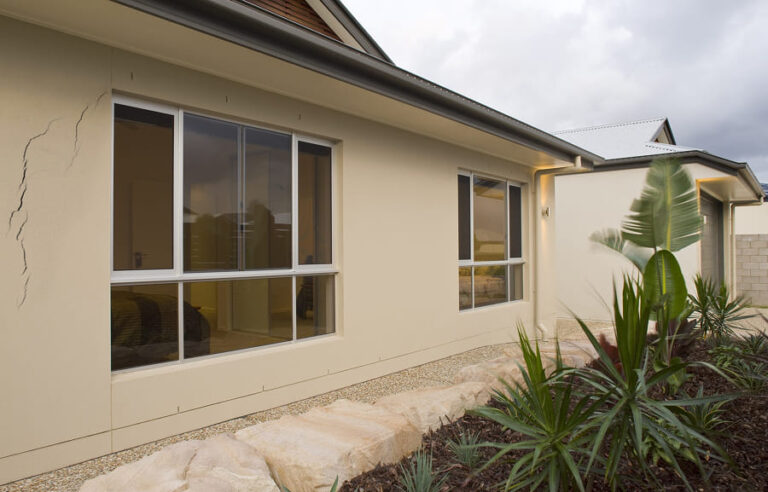
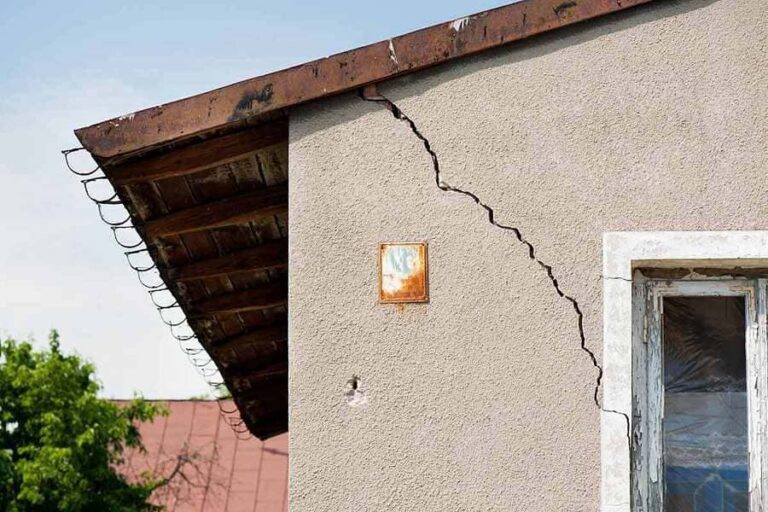
Many Houston homeowners first notice foundation damage through subtle symptoms inside their homes. These signs might seem minor at first, but they often point to a shifting or settling foundation caused by soil movement.
If you notice any of these, it’s time to take a closer look. While some minor settling is natural, consistent or widening cracks signal that the soil beneath your foundation is moving more than it should.
Expansive soils act like a sponge. When water is present, they expand, exerting upward pressure on the foundation — this is called heaving. When the soil dries out during drought, it contracts, allowing the foundation to settle unevenly.
This movement is rarely uniform. One side of the home may dry faster than the other due to shade, landscaping, or water drainage patterns. That imbalance leads to differential settlement — one of the primary causes of structural cracks in slab-on-grade foundations common throughout Houston.
The problem compounds over time. Each wet-dry cycle slightly alters the foundation’s position, weakening joints, separating slabs, and damaging finishes. What starts as a small cosmetic crack can soon threaten the entire structural stability of the home.
You can’t control Houston’s weather, but you can manage how your home responds to it. Preventing foundation problems caused by drought and expansive soils requires consistency and awareness.
Use a controlled irrigation schedule to keep soil moisture consistent around your foundation. Avoid overwatering — the goal is balance, not saturation. Drip systems or soaker hoses placed 12 to 18 inches from the foundation edge work well to maintain steady hydration levels.
Proper drainage design is essential. Gutters, downspouts, and French drains should direct water away from the foundation, not toward it. Standing water after rain can cause localized expansion, creating uneven stress points.
Large trees and shrubs can pull moisture from the soil, creating dry zones near roots. Keep vegetation trimmed and avoid planting water-hungry species too close to the house.
Walk around your home regularly to look for cracks or gaps. Inside, note changes in door alignment or flooring. Early detection can prevent small issues from escalating into costly structural repairs.
If you suspect movement or notice new cracks after a drought, contact a foundation specialist in Houston. They can perform elevation readings, soil analysis, and structural assessments to determine whether corrective measures are needed.
Once soil movement has already affected your home, several repair techniques can restore stability and prevent future damage. The best solution depends on your foundation type and the extent of settlement.
For most homes in Houston, repairs may involve slab underpinning using concrete or steel piers. These piers are driven deep into stable strata below the expansive clay, supporting and re-leveling the structure.
If your home has a pier and beam system, technicians may replace or reinforce failing beams, add additional supports, or adjust shims to re-level the home.
Smaller cracks can often be sealed with epoxy or polyurethane injections to prevent water infiltration and further expansion. This type of repair also helps maintain aesthetic integrity and stops minor problems from spreading.
Installing surface or subsurface drainage systems helps redirect rainwater away from the house, reducing the soil’s swelling potential. In crawl spaces, dehumidification systems can also stabilize moisture levels and prevent secondary issues like mold.
Long-Term Strategies for Foundation Health
Foundation protection isn’t a one-time project — it’s ongoing maintenance. Houston homeowners should view their foundation as a living system that responds to the environment.
Regularly adjusting irrigation, maintaining drainage, and monitoring seasonal soil changes will go a long way toward preserving your home’s structural health. During drought periods, even minor attention — like ensuring consistent watering or inspecting perimeter cracks — can make a major difference.
Professional evaluations every few years, especially after prolonged dry seasons, also help catch hidden movement early. Prevention is always more affordable than repair.
Drought and expansive soils are a powerful combination that can silently undermine your home’s stability. As Houston continues to experience unpredictable weather patterns, understanding and managing these soil dynamics becomes essential for every homeowner.
The key is balance: maintaining steady soil moisture, ensuring proper drainage, and acting quickly at the first signs of foundation stress. Even small efforts can preserve your investment and prevent major structural failures.
If your home shows signs of foundation distress — cracks, uneven floors, or soil separation — it’s time to consult a local expert. My Safe Foundation provides professional services designed to restore stability and protect your home’s structural integrity, including:
Don’t let drought quietly erode your home’s strength!
Contact My Safe Foundation today to schedule a professional evaluation and ensure your foundation stands firm — rain or shine.