Phone:
(832) 555-0197
Physical address:
7327 W Bellfort Ave, Suite 210
Houston, TX 77071
Email address:
contact@mysafefoundation.com

Phone:
(832) 555-0197
Physical address:
7327 W Bellfort Ave, Suite 210
Houston, TX 77071
Email address:
contact@mysafefoundation.com

When you own a home in Houston, understanding your foundation type is more than a technical detail — it’s essential for protecting your property’s structure and value.
The kind of foundation your house is built on affects how it handles moisture, soil movement, drainage, and even the comfort of your living space.
In areas like Houston, where the clay-rich soil expands and contracts with changes in moisture, foundation problems are common.
Knowing the difference between a basement foundation and a slab foundation can help you recognize warning signs early, understand repair options, and make informed decisions about maintenance or buying a new home.
In this guide, we’ll break down what each type of foundation is, how they perform in Houston’s environment, the pros and cons of each, and what to do if you notice issues such as cracks, uneven floors, or sticking doors.
A slab foundation, also known as a concrete slab, is a single layer of poured concrete that directly supports the structure of your home. Typically, it’s four to six inches thick and reinforced with steel bars (rebar) for strength.
The home’s walls are built right on top of the slab, with plumbing and electrical lines often running through or beneath it.
Slab foundations are the most common type found in Houston homes — especially in newer subdivisions.
They are affordable, quick to construct, and provide a stable base when properly designed for local soil conditions.
However, Houston’s expansive clay soil can pose challenges. When the soil absorbs water, it expands; when it dries, it contracts. This constant movement can stress a slab foundation, leading to cracks or uneven floors over time.
A basement foundation includes a hollow, below-ground space — typically 7 to 9 feet deep — beneath the home. The basement walls are part of the foundation, usually made from poured concrete or concrete blocks, supporting the structure above.
Basement foundations are common in colder climates where the frost line is deep. Builders in those regions dig below the frost line to protect the foundation from freezing, which naturally creates a basement space.
In Houston, however, basements are rare because of the region’s high water table and clay-heavy soil. Digging deep can lead to water seepage and flooding, making basements impractical and costly to maintain. Still, a few high-end or custom homes might feature partial or reinforced basements with advanced drainage systems.
Key Differences Between Basement and Slab Foundations
While both foundation types support your home, they perform very differently — especially in Houston’s challenging soil conditions.
1. Construction and Design
2. Cost and Maintenance
3. Moisture Resistance
4. Accessibility and Functionality
5. Suitability for Houston’s Soil
Slab foundations are the preferred choice for most Houston homeowners for good reason:
They are cost-effective, energy-efficient, and well-suited to the city’s flat terrain. Because they sit close to the ground, there’s less air exchange with outdoor temperatures, which helps keep indoor spaces cooler in summer — a big benefit in Houston’s heat.
Additionally, slab homes are less vulnerable to flooding compared to basements or crawl spaces. With proper drainage and soil grading, slabs can perform very well even in areas prone to heavy rain.
However, slabs are not immune to damage. If the soil beneath them shifts or loses moisture unevenly, cracks can form. Over time, these cracks may widen, allowing water intrusion or creating uneven floors.
Routine inspection of drainage and soil moisture around the perimeter is critical to prevent long-term structural issues.
Basement foundations offer unique benefits in the right environment. They provide extra living or storage space, shelter during storms, and convenient access to plumbing, HVAC systems, and electrical lines.
In colder states, they also serve as a natural insulator, keeping homes warmer in winter.
However, in Houston, basements face significant drawbacks. The Gulf Coast’s high water table and frequent heavy rainfall create persistent moisture challenges.
Without specialized drainage systems and sump pumps, a basement can quickly flood or develop mold. The construction costs and ongoing maintenance typically outweigh the benefits in this region.
Homeowners with existing basements must remain proactive with waterproofing membranes, interior sealants, and proper grading to avoid costly damage.
No matter which foundation type you have, Houston’s shifting soil and weather patterns can trigger structural stress. Some of the most frequent issues include:
Slab foundations tend to crack across the surface, while basement foundations may develop horizontal cracks in their walls due to lateral soil pressure. In both cases, early detection and repair are vital to prevent serious damage.
Houston’s climate is a powerful factor in foundation performance. The region experiences intense heat, high humidity, and variable rainfall. These conditions cause clay soils to repeatedly swell and shrink — a process known as seasonal soil movement.
When the soil expands after heavy rain, it exerts upward pressure on the foundation. When it dries out, it contracts, leaving voids under the slab or walls. This ongoing cycle leads to cracks, settling, and misalignment throughout the home.
Additionally, poor drainage around the home can worsen the problem by allowing water to pool near the foundation. Installing gutters, extending downspouts, and maintaining proper soil grading are simple but effective steps to reduce stress on your foundation.
Foundation damage develops gradually but can be controlled with proactive care.
Here’s how Houston homeowners can protect their property:
If you notice cracks wider than ⅛ inch, uneven floors, or doors that no longer close properly, it’s time to call a professional. Foundation issues rarely resolve on their own — they tend to worsen over time, especially during Houston’s wet seasons.
A licensed foundation repair company can diagnose whether your home needs slab stabilization, pier installation, or drainage correction. The right intervention can restore your home’s safety, prevent water intrusion, and protect your investment for years to come.
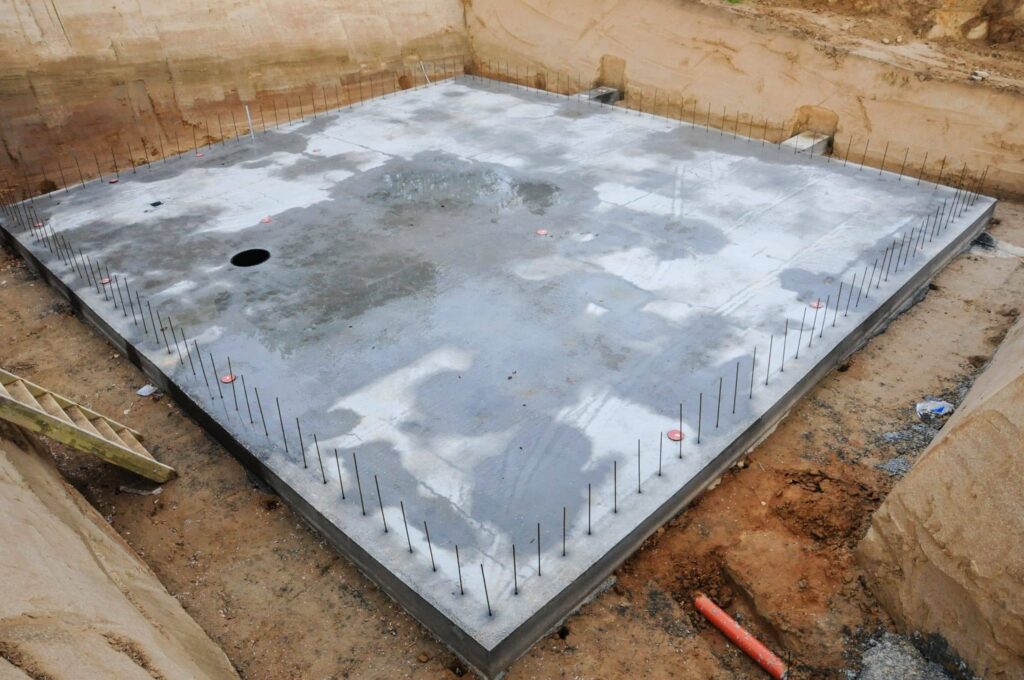
Whether your home sits on a slab foundation or the rarer basement foundation, understanding how Houston’s soil and climate affect your structure is the first step toward protecting it.
Slab foundations are generally more practical here, but they still require proper maintenance to withstand shifting clay soils. Basements, while functional elsewhere, demand constant moisture control to perform well in Houston’s humid conditions.
Foundation damage doesn’t always mean disaster — but ignoring the signs can. Cracks, uneven floors, or persistent moisture should never be overlooked. Prompt professional attention can save you from costly structural repairs later on.
At My Safe Foundation, we help Houston homeowners keep their homes safe, level, and structurally sound. Our expert team provides:
If you’re concerned about your home’s foundation in Houston, reach out to My Safe Foundation today.
Our specialists are ready to assess your situation and provide the right solution to keep your home stable, secure, and protected from the ground up.